Bulk Bamboo Extract Powder for Cosmetic and Supplement Manufacturers in Canada
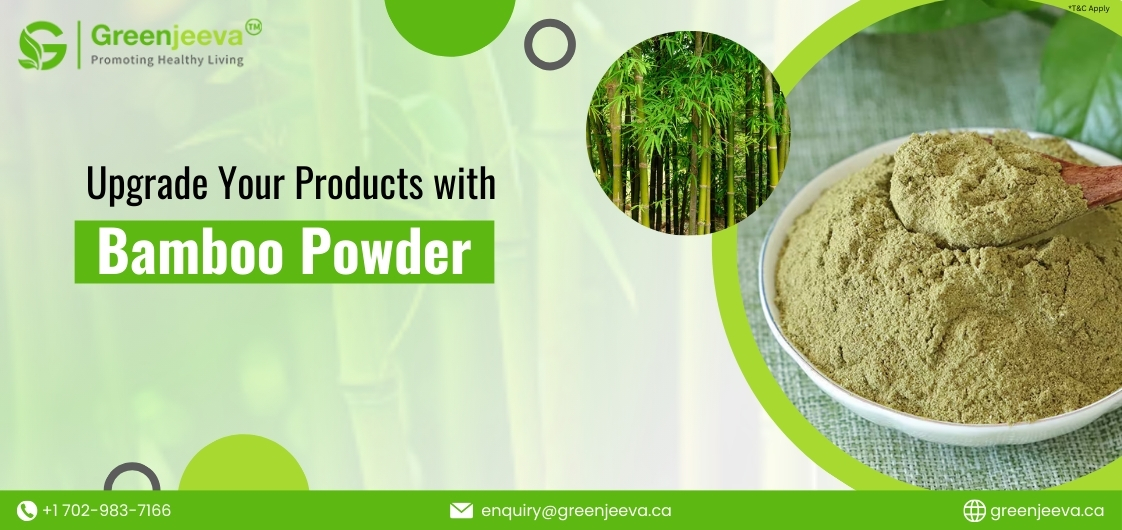
Bamboo extract powder is best known as one of the richest natural sources of silica. For manufacturers, the questions that matter are silica content, grade, format, and reliable supply. This guide explains what bulk bamboo extract powder is, how formulators use it across cosmetics, supplements, and food, and how to source it in Canada.
What Is Bamboo Extract Powder?
Bamboo extract powder is made from bamboo, usually the species Bambusa vulgaris or Bambusa arundinacea. Its defining feature is a high silica content, since bamboo is one of the richest plant sources of silica, also known as silicon dioxide. Standardized grades are often sold at around 70 percent silica.
Because bamboo grows quickly and regrows without replanting, the ingredient also fits the renewable and clean-label positioning that many brands look for. In practice, the silica percentage and the grade decide how each batch is used, which is why buyers focus on the specification rather than the plant alone.
Why Silica Content Matters
For bamboo extract, silica content is the key specification. A standardized extract states a defined silica level, often around 70 percent, while unstandardized material varies. Therefore, formulators check the silica percentage before they order, because it determines how the ingredient is dosed and labelled in a finished product.
This is the detail that separates a reliable batch from a variable one. As a result, buyers should request the silica value on the certificate of analysis and match it to the format they plan to build. A standardised level keeps results consistent from one order to the next.
Bamboo Extract Powder in Cosmetics
In cosmetics, cosmetic-grade bamboo extract powder is chosen as a plant-based silica source and for its film-forming property. Brands formulate it into skincare and haircare products across the natural and clean-label space. Because finished-product performance depends on the full formula, the manufacturer confirms the grade and owns any label claim.
The silica story is the reason many cosmetic developers reach for bamboo. In addition, the powder format is easy to work into a range of bases. Formulators still confirm the grade, the silica percentage, and the documentation before they scale a formula.
Bamboo Extract Powder in Supplements
In supplements, brands use standardized bamboo extract powder as a plant-based source of silica in capsules, tablets, and powders. Many clean-label lines prefer a botanical silica source over synthetic silicon dioxide. Formulators set the dose from the silica content, and any claim on the finished product is the manufacturer's responsibility to substantiate.
For supplement lines, the choice often comes down to sourcing and label story. Consequently, a botanical silica source can suit brands that want a plant-based ingredient list. The silica percentage on the specification drives the dose and the labelling.
Bamboo in Food and Beverage
In food and beverage, bamboo is used for its fiber content and its texturizing property. Bamboo fiber adds fiber to a nutrition panel and can work as a natural thickener or texturizer. As a rapidly renewable crop, it also fits the sustainable sourcing goals that many food brands set for their ingredient lists.
Here the value is functional and compositional rather than anything else. For example, formulators use bamboo fiber to adjust texture and to raise the fiber figure on the label. Testing the level for each recipe is the practical step.
Bamboo Extract vs Horsetail Extract for Silica
Bamboo extract and horsetail extract are the two most common plant-based silica sources. Bamboo typically carries a higher silica percentage, while horsetail is a long-established botanical option. They differ in silica level, plant source, and cost. Therefore, formulators choose based on silica content, grade, and positioning.

Our Sourcing and Quality Methodology
As a bamboo extract powder supplier in Canada, Green Jeeva runs a three-stage quality process. First, we verify the source and the documentation. Second, we test every lot for identity, silica content, purity, and microbial limits. Third, we record the results in a certificate of analysis. As a result, each lot stays fully traceable.
Source Verification
We confirm the origin and the supporting documentation before any lot ships. In addition, we review supplier records so the paperwork matches the material.
Lot Testing
Each lot goes through identity, silica content, purity, and microbial testing. Consequently, buyers receive material that meets a defined specification rather than a generic grade.
Documentation
Finally, we issue a certificate of analysis with every shipment. Because the results are documented, QA teams can complete supplier validation without chasing missing data.
Source Bulk Bamboo Extract Powder in Canada
You can source bulk bamboo extract powder from Green Jeeva in Canada with cosmetic-grade and food-grade material and full documentation. On the product page you can view stock, the pricing structure, compliance documents, MOQ, and pack size. To move forward, request a free sample and a quotation, and the team will match the right silica level and grade.
Ready to source bulk bamboo extract powder in Canada?
View stock, the pricing structure, compliance documents, MOQ, and pack size on the product page, then request a free sample and a quotation.
Request a sample and quote
Bamboo extract powder is supplied as a raw ingredient for cosmetic, food, and dietary supplement manufacturing. Finished-product claims should be substantiated by the manufacturer and comply with applicable regulations in the target market. This article is written by Green Jeeva's QA and RA team for sourcing and formulation guidance.