Bulk Organic Beetroot Powder for Beverage, Supplement, and Sports Nutrition Manufacturers in Canada
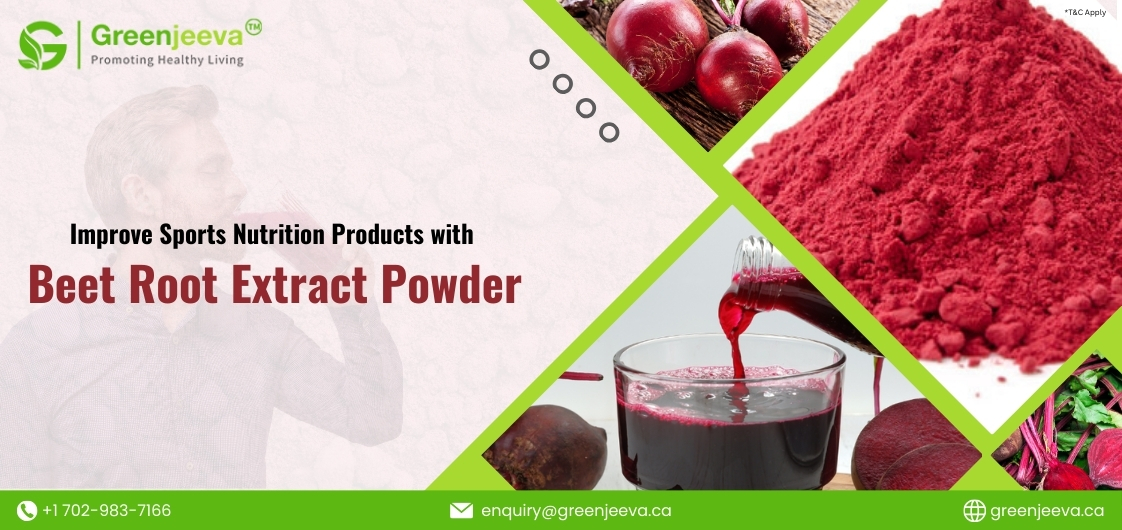
Organic beetroot powder is a versatile plant-based ingredient known for its deep red betalain color and its naturally occurring nitrates. For manufacturers, the questions that matter are grade, drying method, sourcing, and reliable supply. This guide explains what organic beetroot powder is, how formulators use it, and how to source it in Canada.
What Is Organic Beetroot Powder?
Organic beetroot powder is made from dried, milled beetroot, also known as Beta vulgaris. It is a plant-based ingredient valued for its natural red pigment, called betalains, and its naturally occurring nitrate content. Manufacturers use it as a functional food ingredient and as a natural coloring ingredient across several formats.
The powder is a clean-label, organic vegetable powder that fits plant-based ingredient lists. Because it carries both color and a recognizable whole-food origin, it appeals to brands that want a simple, botanical label. In practice, the grade and the drying method decide how each batch performs.
How Organic Beetroot Powder Is Made
Organic beetroot powder starts with washed and sliced beetroot that is dried and milled into a fine powder. Some grades are spray-dried from beet juice, while others are milled from dried whole beet. The drying method affects color intensity, solubility, and flavor, so formulators match the grade to the format they build.
Spray-dried grades tend to dissolve cleanly in liquids, which suits beverages. Milled whole-beet grades keep more of the fiber and the whole-food profile. Therefore, buyers pick the method that matches their process and their label story.
Organic Beetroot Powder as a Natural Color
One of the most practical uses of organic beetroot powder is as a natural coloring ingredient. Its betalains give a red to pink shade, so brands use it in place of synthetic dyes. Because betalain color is sensitive to heat and pH, formulators test the shade and the stability in the finished product.
This is a strong, claim-free reason to specify beetroot. As a result, it appears in drinks, gels, bakeries, and confectionery where a natural red is wanted. Adjusting the level and controlling processing heat are the practical steps to hold the color.
Organic Beetroot Powder in Sports Nutrition and Supplements
In sports nutrition and supplements, brands formulate organic beetroot powder into pre-workout blends, capsules, and functional drinks. It is chosen for its naturally occurring nitrate content, its natural color, and its plant-based, clean-label profile. Formulators set the dose and the specification, and any claim on the finished product is the manufacturer's responsibility to substantiate.
The dietary supplement ingredient market continues to favor recognizable, plant-based inputs. Consequently, organic beetroot powder fits lines that want a botanical label. The specification and the target market decide the dose and the wording used on the pack.
Organic Beetroot Powder for Food and Beverage
In food and beverage, organic beetroot powder works as a natural color and a flavor ingredient. Brands add it to drinks, bakery items, dairy alternatives, and snacks for a red to pink shade and an earthy note. As a plant-based, food-grade ingredient, it also fits clean-label goals and plant-based nutrition ingredient lists.
Here the value is functional and compositional. For example, formulators use it as a beverage formulation ingredient for color and character. Testing the level and the processing conditions for each recipe is the practical step, since color can shift with heat and pH.
Organic Beetroot Powder vs Beetroot Extract Powder
Organic beetroot powder and beetroot extract powder are not the same. The powder is the whole dried vegetable, milled fine, so it keeps the natural color and a whole-food profile. Beetroot extract powder is concentrated and often standardized to a specific compound level. The powder suits color and clean-label positioning, while the extract suits a defined, concentrated specification.

Our Sourcing and Quality Methodology
As an organic beetroot powder supplier in Canada, Green Jeeva runs a three-stage quality process. First, we verify the farm source and the organic certification. Second, we test every lot for identity, purity, color, and microbial limits. Third, we record the results in a certificate of analysis. As a result, each lot stays fully traceable.
Source Verification
We confirm the farm origin and the organic certification before any lot ships. In addition, we review supplier documentation so the paperwork matches the material and the ingredient traceability holds.
Lot Testing
Each lot goes through identity, purity, color, and microbial testing. Consequently, buyers receive material that meets a defined specification rather than a generic grade.
Documentation
Finally, we issue a certificate of analysis with every shipment. Because the results are documented, QA teams can complete supplier validation without chasing missing data.
Source Bulk Organic Beetroot Powder in Canada
You can source bulk organic beetroot powder from Green Jeeva in Canada with food-grade material and full documentation. On the product page you can view stock, the pricing structure, compliance documents, MOQ, and pack size. To move forward, request a free sample and a quotation, and the team will match the right grade and specification.
Ready to source bulk organic beetroot powder in Canada?
View stock, the pricing structure, compliance documents, MOQ, and pack size on the product page, then request a free sample and a quotation.