Bulk Licorice Extract for Food, Cosmetic, Oral Care, and Supplement Manufacturers
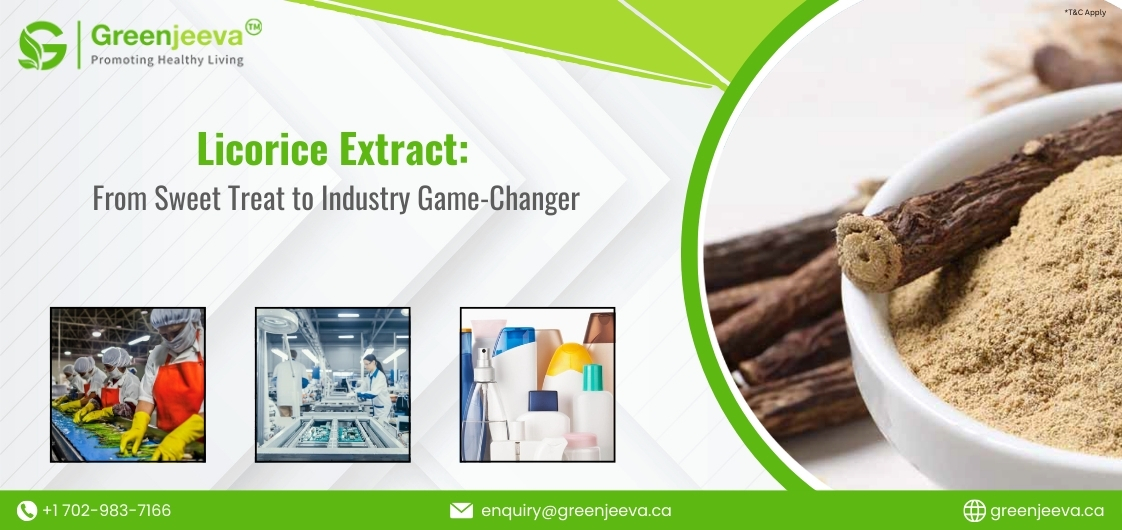
Licorice extract is a familiar ingredient with a wide formulation range. For manufacturers, the questions that matter are about grade, glycyrrhizin level, and reliable supply. This guide explains what bulk licorice extract is, the forms available, and how to source it with the documentation your team needs.
What Is Licorice Extract?
Licorice extract comes from the root of Glycyrrhiza glabra, a plant used in food and formulation for centuries. Its best-known compound is glycyrrhizin, which is intensely sweet, roughly 50 times sweeter than sucrose. Suppliers offer licorice as a powder, a cut-and-sifted root, and standardized extracts.
A related species, Glycyrrhizauralensis, is also used in some markets. Beyond glycyrrhizin and glycyrrhizic acid, the root contains flavonoids such as glabridin and licochalcone A, which are of interest to formulators. In practice, the compound profile and the grade guide how each form is used.
Standard Licorice Extract and Deglycyrrhizinated Licorice (DGL)
Manufacturers choose between standard licorice extract and deglycyrrhizinated licorice, known as DGL. Standard extract keeps its natural glycyrrhizin and sweetness. DGL has most of the glycyrrhizin removed. Because glycyrrhizin intake follows regulatory guidance in several markets, many supplement formulators select DGL to manage levels in a finished product.
The choice affects sweetness, dosage, and labeling. Therefore, formulators confirm the glycyrrhizin level on the specification before they build a recipe. Any claim about a finished product remains the manufacturer's responsibility to substantiate.
Licorice Extract in Food and Beverage
In food and beverages, licorice extract powder works as a natural sweetener and a flavor ingredient. Its glycyrrhizin content gives strong sweetness, so brands use it in small amounts. Formulators add it to confectionery, brewing, teas, and functional drinks, often as part of a sugar reduction approach that keeps sweetness while cutting added sugar.
Because the flavor is distinctive, the use level matters. For example, brewers add small amounts to stouts and porters for character. In addition, drink formulators pair licorice with other ingredients to balance the taste. Testing the level for each recipe is the practical step here.
Licorice Extract for Skincare and Cosmetics
In skincare, cosmetic-grade licorice extract is chosen for its flavonoid profile, including glabridin. Brands formulate it into serums, creams, and cleansers. Because finished-product performance depends on the full formula, manufacturers confirm the extract grade and the glabridin level for each application. Any product claim remains the manufacturer's responsibility to substantiate.
Grade is the key sourcing point here. Cosmetic formulators want material that is prepared and documented for topical use. As a result, they check the specification, the compound profile, and the certificate of analysis before they scale a formula.
Licorice Extract in Oral Care and Supplements
Licorice extract also appears in oral care and supplement formats. In oral care, brands use it in toothpaste and mouthwash formulations. In supplements, licorice extract for supplement manufacturers is common in capsules and powders, and DGL is a frequent choice. Formulators set the dose and manage glycyrrhizin in line with regulatory guidance.
For supplement lines, the glycyrrhizin decision drives the form. Consequently, many teams choose DGL when they want a low glycyrrhizin level. Others use standard extract where the specifications and the market allow it. The specification and the target market decide the path.
Comparing Licorice Forms and Grades
Licoricecomes in several forms, and the right one depends on your process.Licoriceroot powder and cut-and-sifted root suit extraction and brewing. Standardised extract gives a consistent glycyrrhizin level. DGL suits formulas that need low glycyrrhizin. Therefore, match the form to your application and your label.

Our Sourcing and Quality Methodology
As a licorice extract supplier, Green Jeeva runs a three-stage quality process. First, we verify the botanical source and the organic certification. Second, we test every lot for identity, purity, glycyrrhizin level, and microbial limits. Third, we record the results in a certificate of analysis. As a result, each lot stays fully traceable.
Source Verification
We confirm the botanical origin and the organic certification before any lot ships. In addition, we review supplier documentation, so the paperwork matches the material.
Lot Testing
Each lot goes through identity, purity, glycyrrhizin, and microbial testing. Consequently, buyers receive material that meets a defined specification rather than a generic grade.
Documentation
Finally, we issue a certificate of analysis with every shipment. Because the results are documented, QA teams can complete supplier validation without chasing missing data.
Buy Bulk Licorice Extract Wholesale in Canada and the USA
You can buy licorice extract in bulk from Green Jeeva with food-grade and cosmetic-grade material, full documentation, and reliable logistics. We supply food, cosmetic, oral care, and supplement manufacturers. For wholesale licorice powder Canada buyers, we handle samples, specifications, and lead times. Contact our team to request pricing.
Ready to source bulk licorice extract?
Request a specification sheet, a sample, and wholesale pricing for licorice root powder, standard extract, or DGL.