
Alkalized vs. Non-alkalized organic cocoa powder: the difference that actually affects how your recipe rises
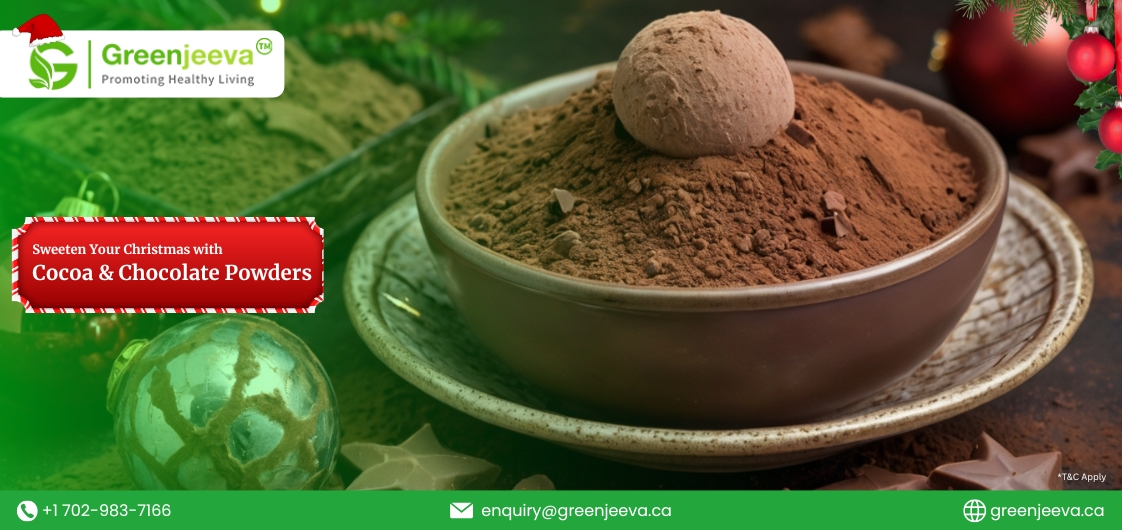
Most cocoa powder comparisons focus on flavor: alkalized is smoother and milder, non-alkalized is sharper and more acidic. That's true, but it undersells the actual functional difference, which is a pH change with a direct, practical consequence for anyone formulating a baked good. Get it wrong, and the product simply doesn't rise the way it's supposed to.
This guide covers whatactually separates alkalized from non-alkalized cocoa powder, how cocoa differs from cacao, why the 10-12% fat specification matters for more than flavor, and where the "guilt-free indulgence" framing needs a more careful look at the actual research.
WHAT IS ORGANIC COCOA POWDER?
Organic cocoa powder is made from the beans of Theobroma cacao, harvested, fermented, dried, and processed into a fine powder. The two formats that matter most for formulation are non-alkalized (natural) cocoa and alkalized (Dutch-processed) cocoa, which differ in how the beans are treated after fermentation.
COCOA VS. CACAO: WHAT'S ACTUALLY DIFFERENT
These aren't different plants; they're different processing intensities of the same bean. Cacao powder is generally less processed, derived from raw or minimally processed cacao beans, while cocoa powder typically goes through additional roasting and processing steps. The lower processing intensity behind cacao is why it's often positioned around a more intact antioxidant and flavanol profile, while cocoa's additional roasting develops more of the deep, classic chocolate flavor most baking recipes are built around.
ALKALIZED VS. NON-ALKALIZED: THE CHEMISTRY THAT DETERMINES HOW YOUR RECIPE RISES
Non-alkalized cocoa retains the bean's natural acidity. Alkalized cocoa is treated with an alkalizing agent, commonly a potassium carbonate solution, that neutralizes that acidity, producing a smoother, milder flavour, a darker colour, and better solubility.
That pH shift is exactly why the two aren't interchangeable in a recipe without adjusting the leavening system. Baking soda is a base that requires an acidic ingredient to react within order toleaven a batter; non-alkalized cocoa's natural acidity supplies that reaction. Alkalized cocoa doesn't have that acidity left to react with, so recipes built around it typically rely on baking powder instead, since baking powder already contains its own acid-base leavening system and doesn't depend on the cocoa'spH.
Substitute one format for the other without adjusting the leavening agent, and the practical result is a batter that doesn't rise correctly, along with a shift in colour and flavour that wasn't part of the original formulation. This is the single most consequential difference between the two formats for a commercial baker, well ahead of flavour preference.
THE 10-12% FAT SPECIFICATION: WHY IT MATTERS BEYOND FLAVOUR
Fat content in alkalized cocoa isn't just a richness indicator. In beverage and protein powder systems specifically, the 10-12% fat range affects mouthfeel, flow behaviour, and dispersion when the powder is reconstituted; higher-fat cocoas can cause floating or clumping, while lower-fat grades can feel thin. This is a deeper technical topic than fits here; if beverage or protein powder dispersion is your specific formulation concern, that deserves its own detailed sourcing conversation rather than a summary paragraph.
A NOTE ON THE "GUILT-FREE INDULGENCE" FRAMING
Cocoa's flavanol content has real cardiovascular research behind it, but the details matter more than the marketing shorthand usually allows. The COSMOS trial, the largest study of its kind, randomized over 21,000 older adults to a cocoa flavanol supplement or placebo over a median of 3.6 years. The primary composite cardiovascular outcome wasn't significantly reduced, though cardiovascular death specifically was 27 percent lower in the cocoa flavanol group, a secondary finding.
The important caveat: that trial used a concentrated, standardized cocoa flavanol extract at 500 milligrams of flavanols per day, not cocoa powder as used in a dessert or baked good. A few tablespoons of cocoa powder in a holiday recipe doesn't deliver anything close to that dose, so "guilt-free" framing built on flavanol research is describing a different product than what typically ends up in a Christmas dessert.
SOURCING THE RIGHT COCOA FORMAT IN CANADA
Green Jeeva supplies all three formats. Organic Cocoa Powder, Non-Alkalized retains the bean's natural acidity and is suited to recipes built around baking soda. Organic Cocoa Powder 10-12% Alkalized is Dutch-processed for a smoother flavor and better solubility, suited to recipes built around baking powder. Organic Cacao Powder is the less-processed format for formulations prioritizing a more intact antioxidant profile.
Ready to source bulk organic cocoa or cacao powder?
Request a certificate of analysis, a sample, and wholesale pricing for the format that matches your leavening system and formulation goals.
Contact us: https://www.greenjeeva.ca/contact-us
DISCLAIMER
Organic cocoa powder, organic cacao powder, and their alkalized and non-alkalized formats are supplied as raw ingredients for food and beverage manufacturing. Cardiovascular research on cocoa flavanols has generally used concentrated, standardized supplement doses rather than cocoa powder as consumed in food, and finished-product health claims should be substantiated independently by the manufacturer and comply with applicable regulations in the target market. This article is written by Green Jeeva's QA and RA team for sourcing and formulation guidance.