Sunflower Lecithin Powder vs. Soy Lecithin in Commercial Food Production
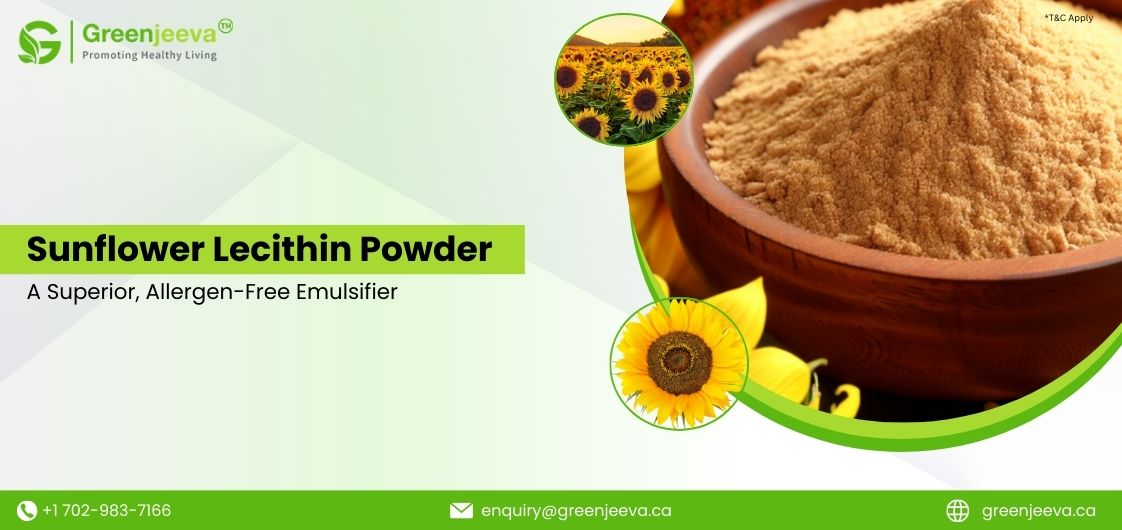
Food manufacturers consistently search for ingredients that improve product quality while meeting consumer demand for clean-label options. Regarding emulsifiers, choosing between sunflower lecithin powder and soy lecithin is a common decision point in commercial food production. Sunflower lecithin powder offers a distinct edge over its soy counterpart for those looking to align with non-GMO, allergen-free, and high-performance ingredients.
This comparative guide highlights why sunflower lecithin is increasingly becoming the preferred emulsifier in bulk food production, offering key advantages in terms of safety, consumer appeal, and performance.
The Essential Role of Lecithin in Food Manufacturing
Lecithin, a crucial emulsifying agent, is used widely in producing foods like chocolates, baked goods, dressings, and spreads. It helps stabilize oil and water mixtures, improves texture, and extends shelf life. Both sunflower and soy lecithin provide these functions, but differences in sourcing, processing, and consumer concerns set them apart.
Sunflower Lecithin Powder vs. Soy Lecithin: Key Differences
1. Non-GMO and Clean-Label Advantage
Soy lecithin is often derived from genetically modified soybeans, which can raise concerns for manufacturers aiming to produce non-GMO or organic foods. In contrast, sunflower lecithin powder is naturally non-GMO and available in organic options. This clean-label distinction makes it an attractive choice for food manufacturers catering to health-conscious consumers.
2. Allergen-Free Properties
One of the significant benefits of sunflower lecithin is its allergen-free status. Soy lecithin is a common allergen, posing a risk for individuals with soy allergies. Sunflower lecithin powder, however, is accessible from the top allergens, making it safer for consumers and ensuring that manufacturers can meet diverse dietary needs without compromise.
3. Sustainability and Production Efficiency
Sunflower lecithin production is less resource-intensive than soy lecithin. This can appeal to manufacturers looking for sustainable ingredient sources, a growing concern in the food industry. Sunflowers are more accessible to grow without pesticides, supporting organic and eco-friendly farming practices.
4. Neutral Taste and Color
Sunflower lecithin has a more neutral taste and color compared to soy lecithin, which can sometimes impart a slight flavor to the final product. This neutrality ensures that sunflower lecithin powder doesn't interfere with the taste profile of foods, offering a cleaner finish for premium products.
Bulk Production Benefits with Sunflower Lecithin Powder
Manufacturers considering bulk production benefit from sunflower lecithin powder's versatility. It performs efficiently as an emulsifier and stabilizer in various applications, from baked goods to beverages. The increasing availability of sunflower lecithin powder in bulk quantities, especially in non-GMO and organic varieties, positions it as a smart investment for large-scale production.
Switching to sunflower lecithin powder can enhance product appeal, reduce allergen risks, and align with clean-label trends, ultimately helping manufacturers meet consumer demands for transparency and safety.
Conclusion
In comparing sunflower lecithin powder and soy lecithin, sunflower lecithin stands out as the superior option for food manufacturers focused on non-GMO, allergen-free, and sustainable production. Its clean-label benefits and its functional performance in commercial food production make sunflower lecithin the smarter choice for bulk manufacturing.
Explore More Organic Superfood Ingredients from Green Jeeva Canada
Along with sunflower lecithin powder, Green Jeeva Canada offers a broad portfolio of premium organic superfood, botanical, and functional ingredients for food, beverage, nutraceutical, and wellness applications. Our ingredients are carefully sourced to support clean-label product development and innovative formulations.
Explore some of our related ingredients:
Organic Apple Cider Vinegar Powder
**The Food and Drug Administration has not evaluated these statements. This product is not intended to diagnose, treat, cure, or prevent any disease.**